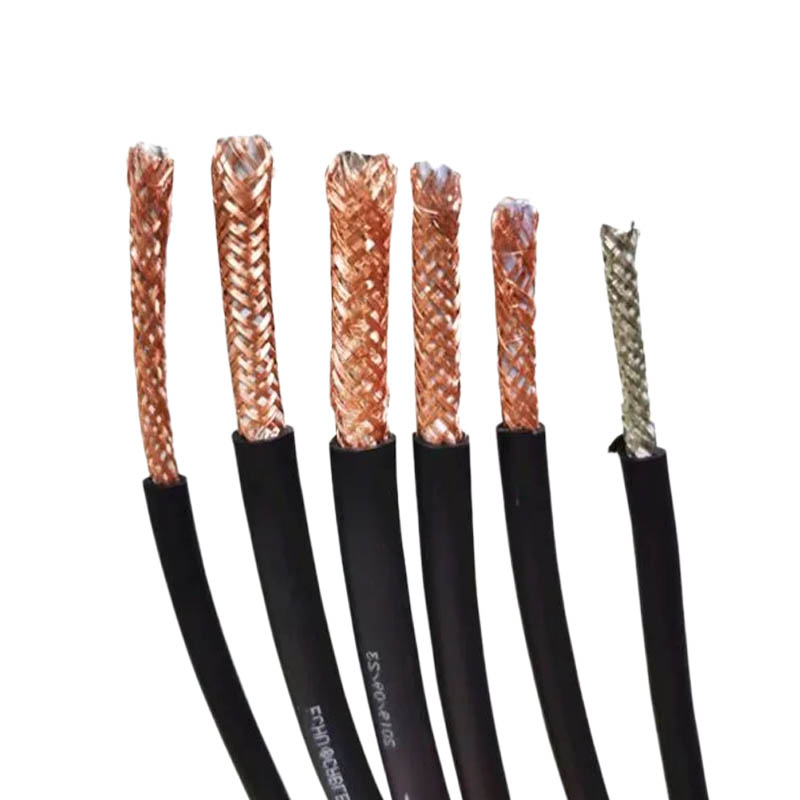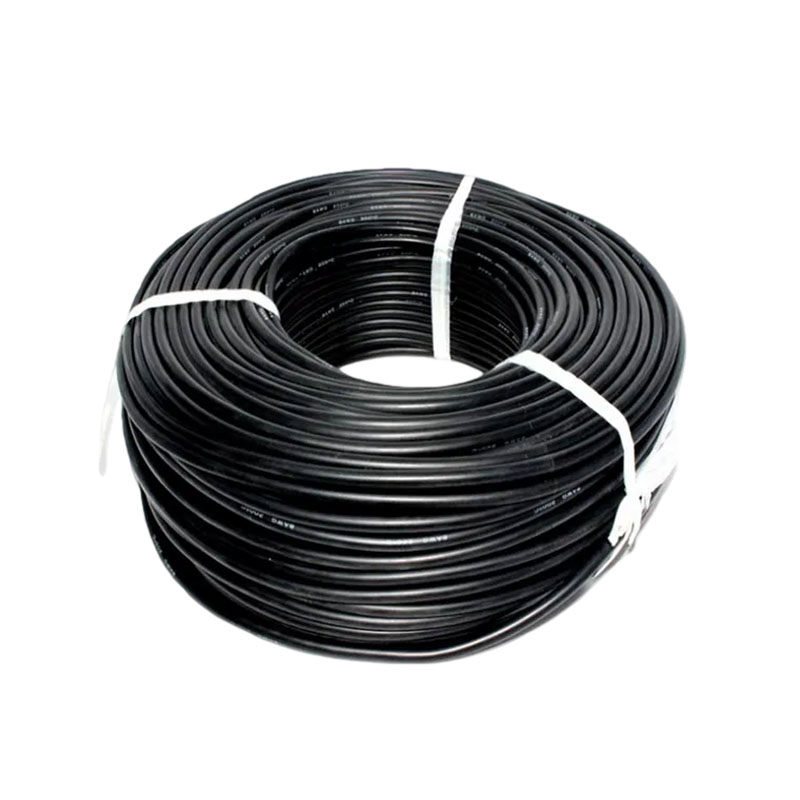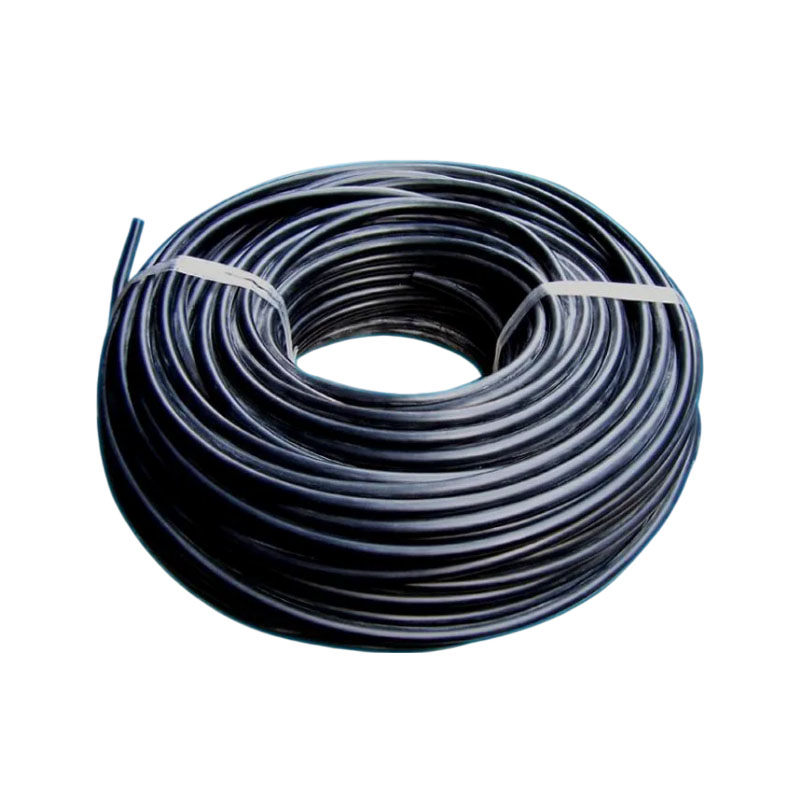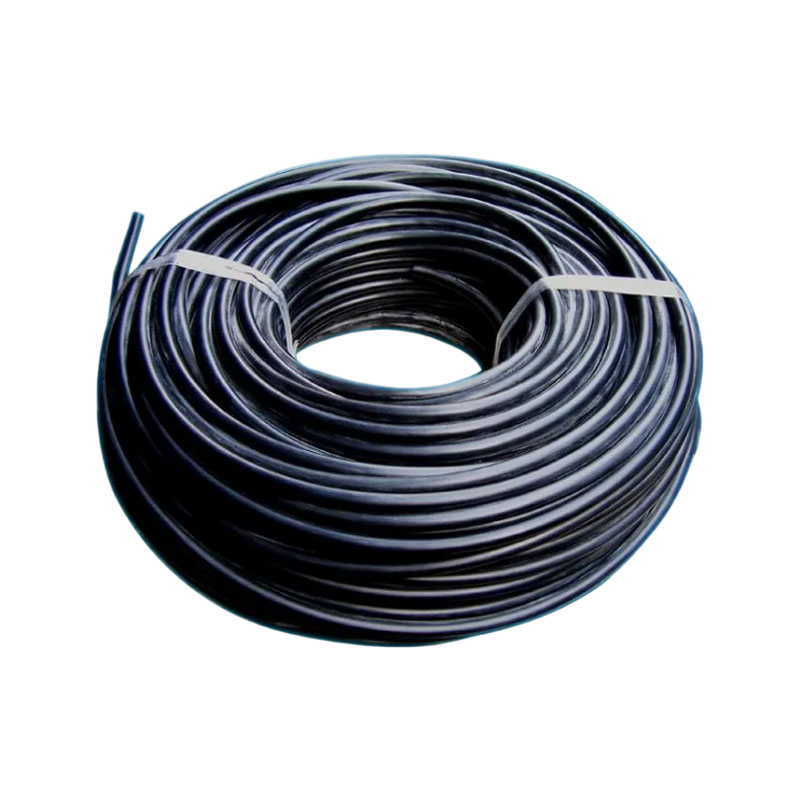

Flexible power wire cables, especially those made of silicone rubber, have gained widespread application in various industries due to their unique high-temperature resistance, low-temperature resistance, and acid and alkali resistance.
In modern electrical engineering, high-voltage power wire cables face extreme challenges, whether in the compact wiring spaces of household appliances, the dynamic environments of cars and ships swaying with the vehicle body, or the frequently twisting ro
Fiberglass electric wire cable, with its unique material advantages and structural design, has become the preferred transmission medium for extreme environments in the military industry.
Silicone rubber is sensitive to impurities, and the production workshop must be kept clean to avoid dust, oil, and other contaminants from polluting the conductor or silicone rubber.
For silicone rubber cables, the relative displacement between the insulation layer and the conductor during long-term bending use is a key issue affecting their reliability and lifespan.
For the sheath layer, a co-extrusion process can be used to combine PTFE with cold-resistant rubber to form a composite structure that combines flexibility and wear resistance.